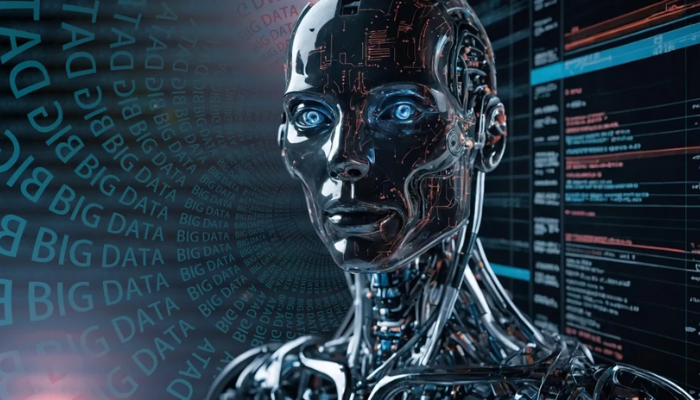
The concept of droven io future of ai has become an increasingly discussed topic among technology enthusiasts, business leaders, and digital innovators. As artificial intelligence continues to revolutionize industries, organizations are searching for smarter ways to improve efficiency, enhance customer experiences, and gain a competitive advantage. The future of AI is no longer a distant vision—it is rapidly becoming a fundamental part of everyday business operations.
When discussing the droven io future of ai, it is important to understand how AI technologies are influencing decision-making, automation, data analytics, and innovation. From healthcare and finance to education and manufacturing, AI-powered solutions are helping businesses solve complex challenges while creating new opportunities for growth. This article explores the evolving landscape of artificial intelligence, the role of AI-driven platforms, and what the future may hold for organizations embracing intelligent technologies.
Understanding the Droven IO Future of AI and Its Growing Importance
Artificial intelligence has progressed significantly over the past decade. What began as basic machine learning systems has evolved into advanced technologies capable of analyzing vast datasets, generating content, predicting outcomes, and automating complex workflows. The droven io future of ai represents this transformation, emphasizing how AI can become a core driver of innovation across industries.
Businesses today generate enormous amounts of data. Without AI, extracting meaningful insights from this information can be difficult and time-consuming. AI-powered platforms help organizations process data efficiently, identify trends, and make informed decisions. As a result, companies can improve productivity, reduce operational costs, and create better experiences for customers.
Another significant aspect of the droven io future of ai is accessibility. AI technologies are no longer limited to large enterprises with massive budgets. Small and medium-sized businesses can now leverage intelligent tools to automate repetitive tasks, optimize marketing strategies, and improve customer service. This democratization of AI is expected to accelerate innovation and foster a more competitive business environment.
Furthermore, the growing demand for personalized experiences is driving AI adoption. Consumers expect customized recommendations, faster responses, and seamless interactions. AI systems can analyze user behavior and preferences, enabling businesses to deliver highly targeted solutions that improve engagement and satisfaction.
How AI Automation Is Shaping the Future of Business Operations
One of the most impactful elements of the droven io future of ai is automation. AI-powered automation is transforming how businesses operate by reducing manual workloads and increasing efficiency. Organizations can automate repetitive tasks such as data entry, customer support inquiries, scheduling, and inventory management, allowing employees to focus on higher-value activities.
Automation also contributes to improved accuracy. Human errors can be costly, especially in industries such as finance, healthcare, and logistics. AI systems can perform tasks with consistent precision, minimizing mistakes and enhancing overall operational performance. As AI technologies continue to advance, automation capabilities will become even more sophisticated.
In addition, AI-driven automation enables organizations to scale their operations more effectively. Businesses experiencing rapid growth often struggle to maintain efficiency while managing increased workloads. Intelligent automation solutions can handle large volumes of tasks without requiring proportional increases in staffing, making expansion more manageable and cost-effective.
The droven io future of ai also highlights the role of robotic process automation (RPA) combined with artificial intelligence. These technologies work together to automate complex workflows that involve decision-making and data analysis. As a result, businesses can achieve faster turnaround times, improved compliance, and enhanced productivity across multiple departments.
The Role of Artificial Intelligence in Innovation and Decision-Making
Innovation remains one of the primary drivers behind the droven io future of ai. Organizations that embrace AI are often better positioned to identify opportunities, develop new products, and respond to changing market conditions. AI provides valuable insights that help leaders make strategic decisions based on data rather than assumptions.
Predictive analytics is a powerful example of AI-driven innovation. By analyzing historical and real-time data, AI systems can forecast trends, customer behaviors, and market shifts. Businesses can use these predictions to optimize resources, improve planning, and reduce risks. This capability allows organizations to stay ahead of competitors and adapt quickly to emerging challenges.
Another area where AI contributes to innovation is research and development. AI algorithms can process vast amounts of information at remarkable speeds, helping researchers identify patterns and generate insights that might otherwise go unnoticed. This accelerates discovery processes in fields such as medicine, engineering, and environmental science.
The droven io future of ai also emphasizes collaboration between humans and intelligent systems. Rather than replacing human expertise, AI enhances decision-making by providing actionable insights and recommendations. Professionals can leverage AI-generated information to make more informed choices, resulting in better outcomes and increased efficiency.
Emerging AI Technologies Driving Future Growth
Several emerging technologies are shaping the droven io future of ai and influencing how businesses and individuals interact with digital systems. Machine learning, natural language processing, computer vision, and generative AI are among the most transformative innovations currently gaining momentum.
Machine learning enables systems to learn from data and improve performance over time. This technology powers recommendation engines, fraud detection systems, predictive maintenance solutions, and many other applications. As machine learning algorithms become more sophisticated, their ability to solve complex problems will continue to expand.
Natural language processing (NLP) is another critical component of the AI revolution. NLP allows computers to understand and generate human language, making chatbots, virtual assistants, and AI-powered content creation tools more effective. The droven io future of ai suggests that NLP technologies will become increasingly capable of facilitating seamless communication between humans and machines.
Computer vision is transforming industries that rely on image and video analysis. From quality control in manufacturing to medical diagnostics and autonomous vehicles, computer vision systems can interpret visual information with remarkable accuracy. These capabilities are opening new possibilities for automation and innovation.
Generative AI has emerged as one of the most exciting developments in recent years. This technology can create text, images, code, music, and other forms of content. Businesses are using generative AI to streamline content production, enhance creativity, and improve customer engagement. As generative AI continues to evolve, its influence on digital transformation is expected to grow substantially.
Challenges, Ethics, and Opportunities in the Future of AI
While the droven io future of ai presents tremendous opportunities, it also introduces important challenges and ethical considerations. As AI systems become more powerful, organizations must ensure responsible implementation and governance. Transparency, fairness, and accountability are essential components of ethical AI development.
Data privacy remains a major concern. AI systems rely heavily on data to function effectively, but organizations must protect sensitive information and comply with regulatory requirements. Strong data security measures and ethical data practices are necessary to maintain public trust and prevent misuse.
Bias in AI algorithms is another challenge that requires attention. If training data contains biases, AI systems may produce unfair or discriminatory outcomes. Developers and organizations must actively identify and mitigate biases to ensure equitable and inclusive AI applications.
Despite these challenges, the opportunities associated with the droven io future of ai are immense. AI has the potential to improve healthcare outcomes, enhance educational experiences, optimize transportation systems, and address environmental challenges. By adopting responsible AI practices, organizations can maximize benefits while minimizing risks.
The future will likely involve increased collaboration between governments, businesses, researchers, and technology providers to establish standards and guidelines for AI development. Such cooperation can help ensure that AI technologies contribute positively to society while supporting innovation and economic growth.
Conclusion
The droven io future of ai represents a transformative era in technology, business, and society. Artificial intelligence is reshaping industries through automation, predictive analytics, intelligent decision-making, and innovative solutions. As AI technologies become more advanced and accessible, organizations of all sizes can leverage their capabilities to improve efficiency, enhance customer experiences, and drive sustainable growth.
While challenges related to ethics, privacy, and bias must be addressed, the potential benefits of AI remain extraordinary. Businesses that embrace intelligent technologies and adopt responsible AI strategies will be better positioned to thrive in an increasingly digital world. The future of AI is not simply about technological advancement—it is about creating smarter, more efficient, and more innovative ways to solve real-world problems.
FAQs
1. What does droven io future of ai refer to?
It refers to the evolving impact of artificial intelligence on business innovation, automation, decision-making, and digital transformation.
2. Why is AI important for businesses?
AI helps businesses improve efficiency, reduce costs, automate tasks, and make data-driven decisions.
3. How does AI automation benefit organizations?
AI automation reduces manual workloads, increases productivity, minimizes errors, and supports scalable growth.
4. What industries are most affected by AI?
Healthcare, finance, manufacturing, education, retail, transportation, and technology are among the industries significantly influenced by AI.
5. What is predictive analytics in AI?
Predictive analytics uses historical and real-time data to forecast trends, behaviors, and future outcomes.
6. How does generative AI contribute to business growth?
Generative AI creates content, code, designs, and other materials, helping businesses improve productivity and creativity.
7. What are the main ethical concerns related to AI?
Key concerns include data privacy, algorithmic bias, transparency, accountability, and responsible use of technology.
8. Can small businesses benefit from AI?
Yes, small businesses can use AI tools for marketing, customer support, automation, and operational optimization.
9. What role does machine learning play in AI?
Machine learning enables systems to learn from data and improve performance without explicit programming.
10. What can we expect from the future of AI?
The future of AI will likely include more advanced automation, improved decision-making capabilities, enhanced personalization, and greater integration across industries.