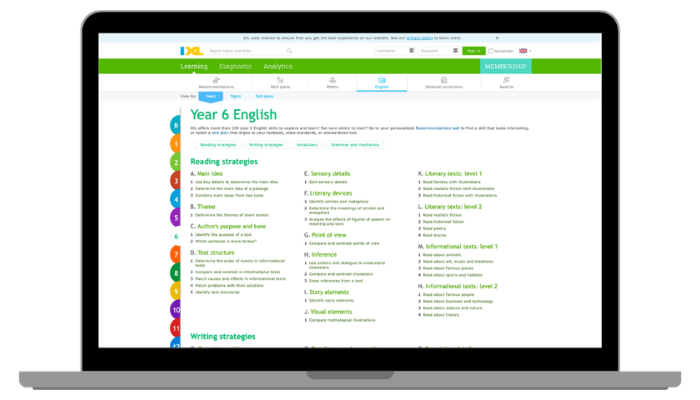
The phrase “how to cheat on IXL” is searched by many students who feel frustrated, overwhelmed, or pressured by online learning requirements. IXL is a widely used educational platform designed to help learners strengthen their skills in subjects such as math, language arts, science, and social studies. Because the platform tracks progress and often requires consistent accuracy, some students begin searching for shortcuts when they encounter difficult questions or challenging skill levels.
However, while the idea of finding an easy way out may seem appealing, cheating rarely provides lasting benefits. Students who focus on shortcuts often miss important learning opportunities and may struggle later when the same concepts appear on tests, assignments, or real-world applications. This article explores why students search for “how to cheat on IXL,” the drawbacks of dishonest approaches, and the most effective strategies for achieving genuine success on the platform.
Why Students Search for “How to Cheat on IXL”
Many students who search for how to cheat on IXL are not necessarily looking to break rules. In many cases, they are simply feeling stressed, confused, or overwhelmed by difficult coursework. Online learning systems can sometimes feel repetitive, especially when students encounter questions that require multiple attempts before mastery is achieved.
Another common reason is performance pressure. Students may be expected to reach certain scores, complete assignments by deadlines, or maintain high academic standards. When learners fear disappointing teachers, parents, or themselves, they may begin searching for shortcuts instead of focusing on understanding the material. The search for “how to cheat on IXL” often reflects a desire for relief rather than a genuine intention to be dishonest.
Technology has also changed how students approach problem-solving. With countless online resources available, some learners assume there must be a quick answer for everything. This mindset can encourage shortcut-seeking behavior rather than the development of critical thinking and independent learning skills. Understanding these motivations helps educators and students address the root causes of academic frustration.
Most importantly, students who feel stuck should remember that learning challenges are normal. Struggling with a concept does not indicate failure. In fact, working through difficult problems is often where the most meaningful learning takes place.
The Risks and Consequences of Cheating on Educational Platforms
When discussing how to cheat on IXL, it is important to understand the potential consequences. Educational platforms are designed to measure understanding and progress. If a student relies on dishonest methods, the platform may no longer accurately reflect their actual knowledge level.
One major consequence is the creation of learning gaps. When students skip the learning process, they may earn higher scores temporarily but fail to develop the skills needed for future lessons. Subjects such as mathematics and language arts build upon previous knowledge, meaning that missing foundational concepts can create long-term difficulties.
Cheating can also reduce confidence. Although it may seem counterintuitive, relying on shortcuts often makes students less certain about their abilities. Genuine confidence comes from mastering concepts through practice and effort. When success is achieved dishonestly, students may worry about being unable to perform independently when challenged.
Schools and teachers may also have policies regarding academic integrity. Violating these expectations can affect grades, trust, and classroom relationships. Even when no formal consequences occur, students often lose valuable opportunities to develop discipline, resilience, and problem-solving skills that are essential beyond school.
Ultimately, the temporary benefits of cheating are usually outweighed by the long-term disadvantages. Learning is most effective when students engage honestly with the material and seek help when needed.
Effective Alternatives to Searching for “How to Cheat on IXL”
Instead of focusing on how to cheat on IXL, students can use several proven strategies to improve their performance. One of the most effective approaches is breaking assignments into smaller, manageable sections. Completing a few questions at a time often feels less overwhelming than trying to finish an entire skill in one sitting.
Another useful strategy is reviewing explanations carefully. IXL provides feedback and guidance after many questions. Rather than rushing through the platform, students can slow down and analyze why an answer was correct or incorrect. This process helps reinforce understanding and reduces repeated mistakes.
Students can also benefit from using supplemental learning resources. Textbooks, classroom notes, educational videos, and teacher-provided materials can clarify concepts that seem confusing on IXL. Combining multiple learning sources often leads to stronger comprehension and better performance.
Seeking assistance is another powerful option. Teachers, tutors, classmates, and family members can provide explanations and encouragement. Asking questions should be viewed as a strength rather than a weakness. Many successful students improve because they actively seek support when they encounter difficulties.
Finally, maintaining a positive mindset is essential. Learning takes time, and mistakes are part of the educational process. Viewing challenges as opportunities for growth can make IXL assignments feel less stressful and more rewarding.
Building Strong Study Habits for Long-Term Academic Success
Students who frequently search for how to cheat on IXL may actually benefit more from improving their study habits. Strong study routines can significantly reduce frustration and improve academic outcomes across all subjects.
Creating a consistent schedule is one of the most effective habits. Setting aside dedicated study time each day helps students develop discipline and avoid last-minute stress. Even short study sessions can be highly productive when completed regularly.
Active learning techniques are also valuable. Instead of simply reading information, students can take notes, solve practice problems, explain concepts aloud, or teach material to someone else. These methods strengthen memory and understanding far more effectively than passive review.
Goal setting can further increase motivation. Rather than focusing solely on scores, students can set learning-oriented goals such as mastering a specific concept or reducing errors in a particular skill area. Achieving these smaller goals often leads to greater confidence and sustained progress.
Healthy lifestyle habits contribute to academic success as well. Adequate sleep, regular exercise, proper nutrition, and stress management all support cognitive performance. Students who care for their physical and mental well-being often find it easier to concentrate and learn effectively.
How Parents and Educators Can Support Struggling Students
The popularity of searches related to how to cheat on IXL highlights the need for supportive learning environments. Parents and educators play an important role in helping students navigate academic challenges constructively.
Teachers can create a positive atmosphere by emphasizing growth rather than perfection. When students understand that mistakes are part of learning, they may feel less pressure to seek shortcuts. Encouraging questions and providing constructive feedback can also increase student confidence.
Parents can support learning by showing interest in their child’s progress without focusing exclusively on grades. Celebrating effort, persistence, and improvement helps reinforce healthy attitudes toward education. Open communication can also make it easier for students to discuss frustrations before they become overwhelming.
Educators and parents should work together to identify obstacles that may be affecting performance. These challenges could include time management issues, learning differences, anxiety, or gaps in foundational knowledge. Addressing underlying concerns often reduces the desire to look for dishonest solutions.
Most importantly, students should be reminded that learning is a journey. Success is not defined by achieving perfect scores every time but by developing knowledge, skills, and confidence through consistent effort.
Conclusion
The search term “how to cheat on IXL” reflects a common challenge faced by students who feel pressured, frustrated, or overwhelmed by academic expectations. While shortcuts may appear tempting, they rarely provide meaningful long-term benefits. Cheating can create learning gaps, reduce confidence, and undermine academic growth.
A more effective approach involves building strong study habits, seeking support when needed, using educational resources wisely, and maintaining a growth-oriented mindset. By focusing on genuine learning rather than quick fixes, students can achieve lasting success not only on IXL but throughout their educational journey. True achievement comes from understanding concepts, developing skills, and embracing the learning process with honesty and determination.
Frequently Asked Questions (FAQs)
1. Why do students search for “how to cheat on IXL”?
Many students search for it because they feel stressed, overwhelmed, or frustrated with difficult assignments.
2. Is cheating on educational platforms a good long-term strategy?
No. It may provide temporary results but often leads to learning gaps and weaker academic performance.
3. What should I do if I find IXL too difficult?
Review explanations, seek help from teachers or tutors, and use additional learning resources.
4. Can I improve my IXL scores without cheating?
Yes. Consistent practice, reviewing mistakes, and studying effectively can significantly improve performance.
5. Why is academic integrity important?
Academic integrity promotes genuine learning, personal growth, and trust between students and educators.
6. How can parents help students struggling with IXL?
Parents can provide encouragement, create supportive study environments, and focus on effort rather than perfection.
7. What are the best study habits for IXL success?
Regular practice, active learning, goal setting, and effective time management are highly beneficial.
8. Does making mistakes on IXL mean I am failing?
No. Mistakes are a natural part of learning and can help identify areas for improvement.
9. Are there resources that can help explain difficult concepts?
Yes. Textbooks, educational videos, classroom notes, tutors, and teachers can provide additional support.
10. What is the most effective way to succeed on IXL?
The best approach is consistent effort, honest learning, and seeking help whenever challenges arise.